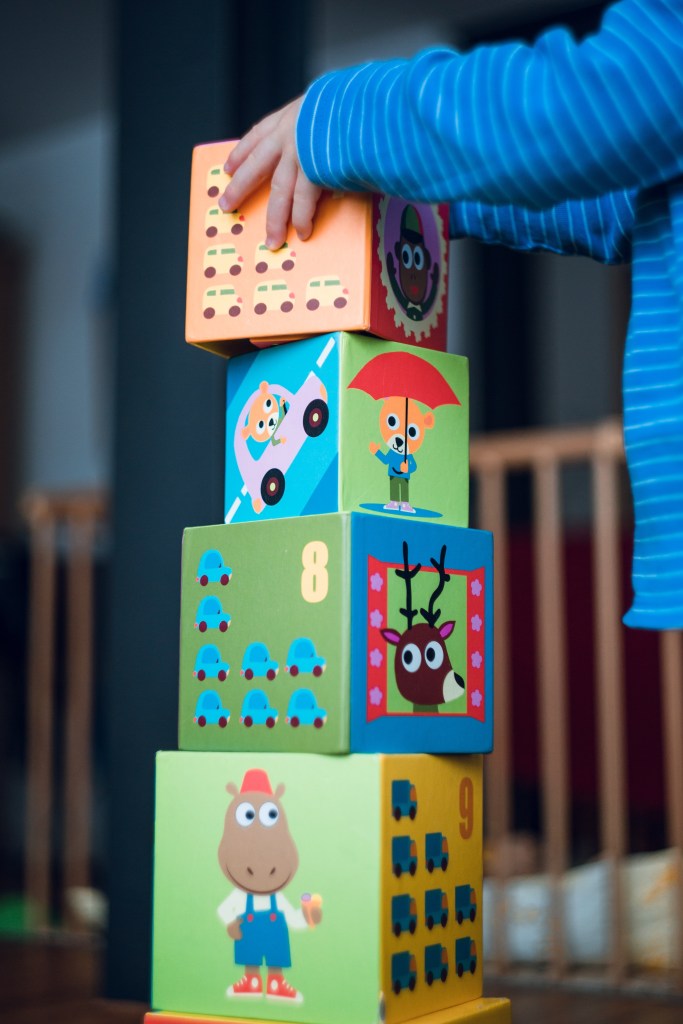
For expat parents, understanding a country’s education system can be difficult. In Portugal, education paths vary depending on the child’s age. Options include private or international schools and free state schools.
The education system in Portugal, from pre-school to secondary school, is regulated by the Ministry of Education (Direção-Geral da Educação – DGE).
Although there is a range of state and private schools available in Portugal, the majority of Portuguese families opt for state schools due to their accessibility and cost-effectiveness. Many parents enroll their children in state schools before the mandatory education age of six. Private institutions, on the other hand, offer additional advantages. For instance, international schools are tailored to expats and provide diverse curricula from around the globe, allowing for lessons to be taught in the student’s native language.
While Portugal has struggled with high illiteracy rates historically, its current level of education is rather impressive. In the 2018 PISA tests, which assess reading, math, and science skills, students scored above average. Additionally, 92% of Portuguese children attended pre-school in 2019, exceeding the OECD average of 88%.
Portugal’s education system comprises of four stages, outlined below:
- Pre-school education (Educação Pré-escolar): ages 3 to 6
- Primary education (Ensino Básico): ages 6 to 15
- Secondary education (Ensino Secundário): ages 15 to 18
- Higher education (Ensino Superior): ages 18 and above
Education is compulsory for individuals aged 6 to 18 years in Portugal, after which students may pursue higher education or seek employment opportunities.
Pre-school education explained:

Portugal’s childcare services for children under the age of three are overseen by the Ministry of Labor, Solidarity, and Social Security (Ministério do Trabalho, Solidariedade e Segurança Social). Nevertheless, early childcare facilities are predominantly privatized. Parents have the option to select between creches (kindergartens) or amas (childminders) who offer in-home care.
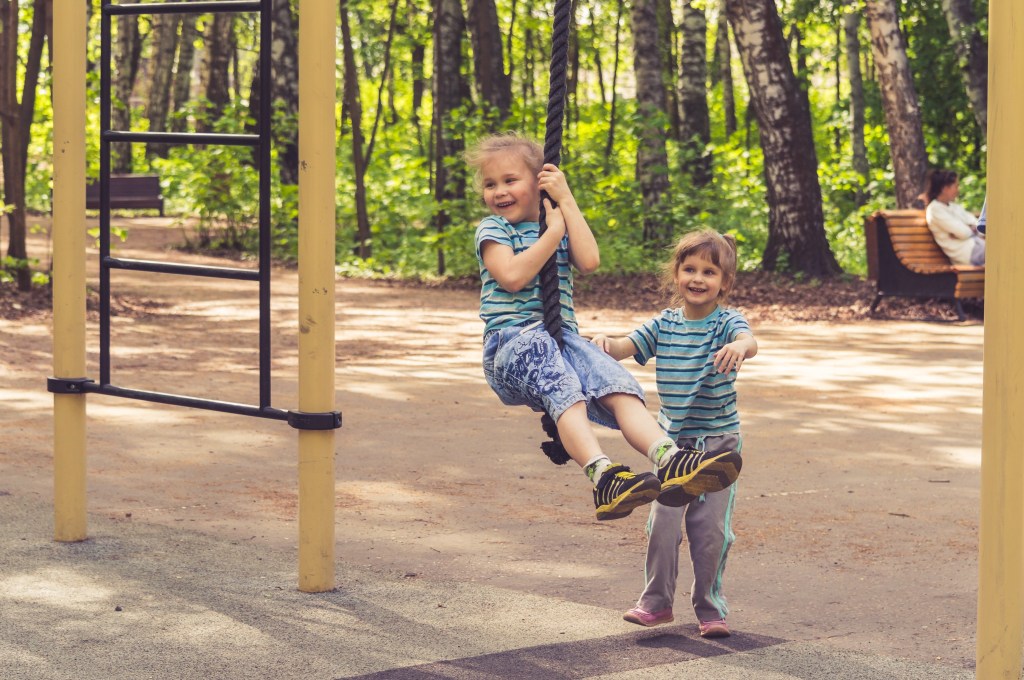
In Portugal, children aged three to six can attend preschool, which is optional, but frequently selected by working parents. Both public and private preschools are accessible, and some charitable organizations and social institutions also provide childcare services. From age three, preschool education (Educação Pré-escolar) is free for 25 hours per week. Private preschools such as Montessori, Waldorf, and international schools charge tuition fees.
Primary education explained:

The Ministry of Education governs the policies for primary education in state schools, which is mandatory in Portugal from ages 6 to 15.
These schools, also called “escolas básicas”, consist of three cycles:
- First cycle (primeiro ciclo or 1º ciclo): Grades 1 to 4
- Second cycle (segundo ciclo or 2º ciclo): Grades 5 to 6
- Third cycle (terceiro ciclo or 3º ciclo): Grades 7 to 9
Public primary schools
Most Portuguese families opt for public education because it is free. While the quality is good, non-Portuguese speaking children may have difficulty. Public schools follow a similar national curriculum including Portuguese, mathematics, science, history, geography and English which is mandatory. Students can also study a foreign language such as French or Spanish from Grade 7. When applying, parents must show proof of address, choose a school close to their residence, and register early to avoid waiting lists.
Private primary schools
In Portugal, private primary schools are attended by a small percentage of students (12.5% in 2020). International schools, which fall under this category, are a good option for expat children since they allow students to study in their native language and interact with other students from around the world. However, religious and method schools, such as Montessori and Steiner-Waldorf, are independent and generally only teach in Portuguese, with fees starting at around €4,000 per year.
For more information about international schools please click here.
Secondary education explained:

After completing primary education, students in Portugal are required to apply to a secondary school, which is known as escolas secundárias and is mandatory for 15 to 18-year-olds. The Ministry of Education (Direção-Geral da Educação – DGE) is responsible for overseeing secondary education in the country.
Secondary education in Portugal lasts for three years and comprises Grades 10, 11, and 12. Students can select from a range of streams that cater to their interests or career aspirations when enrolling in secondary school. Some courses focus on preparing students for university, while others are more work-placement-oriented. Additionally, many schools administer aptitude tests and offer guidance at the end of primary school to assist students in selecting the most appropriate track.
Public secondary schools
Portugal’s public secondary education (Ensino Secundário) is of good quality and free. The core subjects include Portuguese, philosophy, physical education (PE), and a foreign language, while the remaining curriculum varies based on the student’s selected stream.
Students in Portugal can select either vocational (Cursos Profissionais) or science-humanities (Cursos Científico-Humanísticos) streams in secondary school. The former prepares them for direct entry into fields like IT, design, or hospitality, while the latter offers more academic subjects such as visual arts, sciences, and humanities. Additionally, students interested in creative fields can opt for a specialized artistic course (Cursos Artísticos Especializados).
Private secondary schools
There are several types of private schools in Portugal, including religious, international, and boarding options.
Religious schools
Catholic institutions make up the majority of private secondary schools in Portugal. They offer religious subjects alongside the core curriculum, and are favoured by some parents for their academic performance and extracurricular activities. Some of these schools teach in English and offer the International Baccalaureate (IB) diploma. Annual fees can range from €2,500 to €10,000.
For more information about the International Baccalaureate (IB) in Portugal please click here.
International schools
International schools are a popular choice among expats living in Portugal who seek a multicultural environment for their children’s education. British, American, French, and German schools are available, allowing parents to choose the school with a curriculum and language of instruction that suits them.
For more information about international schools please click here.
Boarding schools
Boarding schools in Portugal are limited and mainly located in Lisbon and the Algarve. It’s recommended to visit the school before applying to explore the facilities and understand the program. Tuition fees can be as high as €30,000 per year.
Educational support for expat children
Attending a local school in Portugal may be overwhelming for international children who don’t speak Portuguese yet. However, language support classes are often offered in state schools, and non-native speakers can take the final Portuguese exams with adaptations.
Explore options to learn Portuguese and find resources for international students in Portugal by contacting the High Commission for Migration (Alto Comissariado para as Migrações – ACM), which provides assistance to migrant families seeking to integrate into Portuguese society. Not all schools have the resources to support non-native speakers, so it is important to check available resources or consider schools with bilingual programs.
 Hello Portugal