How to retire to Portugal as a British expat?

Portugal is a popular destination for hundreds of British retirees each year, attracted by the pleasant weather, stunning scenery, and delicious food – a refreshing change from the year-round grey skies of the UK. Retirees can enjoy activities such as golf, sailing, and wine tasting, which are popular among seniors.

Retiring in Portugal also offers the added benefit of having a family base in this wonderful country. Your loved ones can visit and even turn it into a holiday experience.

Moreover, it can be a practical decision since the cost of living in Portugal is approximately 30% cheaper than it is in the UK, especially for those relocating from London. According to Forbes, the Algarve is the cheapest Euro destination for retiring Brits.

So that’s why many Brits decide to spend their autumn years in this European gem.

What are the advantages of retiring in Portugal?

Retiring in Portugal has numerous benefits, including:

Affordable living costs: With prices for food and other goods generally lower than at home, and the opportunity to enjoy the Mediterranean lifestyle, you’ll have more room to relax and enjoy your retirement.

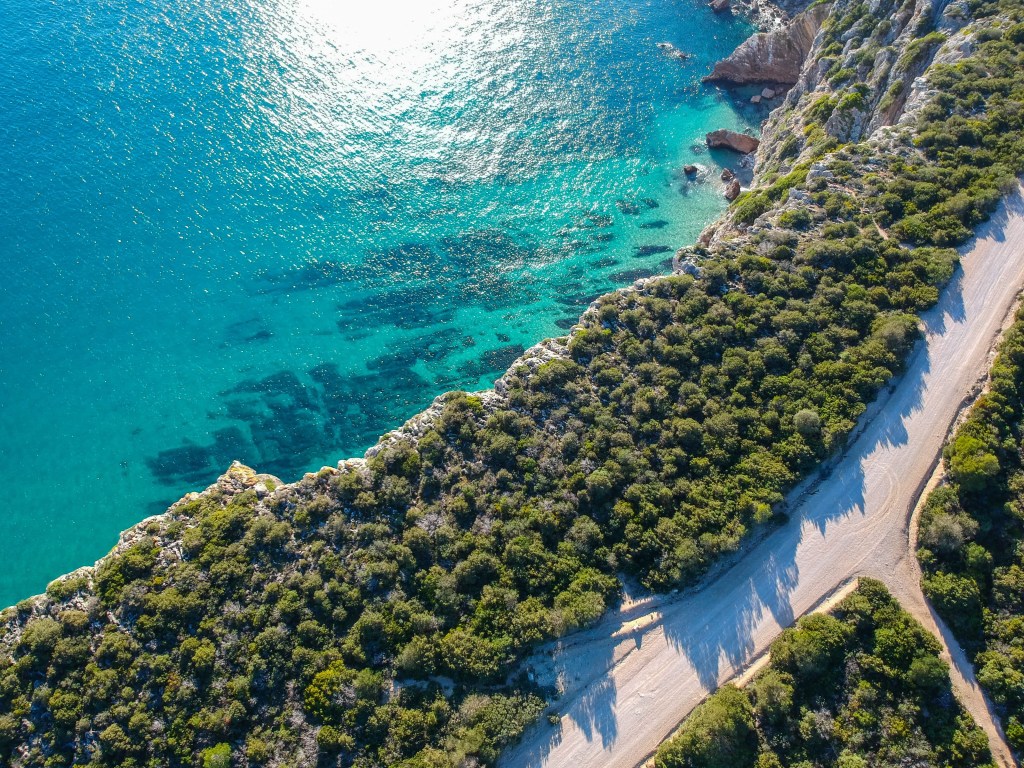
Stunning scenery: Portugal’s rugged coastline, diverse range of beaches, verdant hills, and beautiful cities offer plenty of opportunities to explore and discover something new.

Excellent healthcare: Portugal’s healthcare system is high-quality and affordable, consistently ranked as one of the best healthcare systems in the world.

Pleasant climate: With average temperatures ranging from 18-25 degrees Celsius, Portugal has a temperate climate that allows you to bask in sunshine all year round.

Tax advantages: Portugal provides a range of tax benefits for retirees, including lower income tax rates, exemption from capital gains tax, and more.

Safe environment: Portugal is considered one of the safest countries in the world, making it an ideal place to retire with peace of mind.
The ins and outs of retiring to Portugal

Retiring to Portugal (after Brexit)

The initial step in preparing for your retirement in Portugal is determining if you require a residency visa to relocate there.

For EU/EEA or Swiss citizens

Retiring in Portugal is a breeze if you possess a passport from an EU/EEA country or Switzerland. Thanks to the EU’s freedom of movement policy, you have the flexibility to retire in Portugal whenever you like.

Upon retiring in Portugal, you can enjoy most of the same benefits as Portuguese citizens right away, with the exception of being unable to vote in national elections or hold public office unless you become a Portuguese citizen. This can be achieved after five years of temporary residency.

To register your stay in the country, visit your local municipality office with your passport within three months of arrival (or earlier, if desired). You will receive a temporary residency certificate known as the CRUE (CERTIFICADO DO REGISTO DE CIDADÃO DA UNIÃO EUROPEIA), which is valid for five years.

For Non-EU/EEA or Swiss citizens

In case you do not possess a passport from the EU/EEA or Switzerland, obtaining a residency visa is necessary to initiate your retirement process in Portugal. The following fundamental prerequisites must be met to obtain a residency visa:

  • Possess a valid passport
  • Provide evidence of income
  • Acquire private health insurance (joining Portugal’s state healthcare system is only permitted after obtaining a residency permit)
  • Provide a criminal record check from your current country of residency

Portugal provides multiple outstanding residency visa alternatives tailored to simplify immigration for retirees.

Retiring in Portugal using the D7 visa

The D7 visa, also known as the passive income or retiree visa, is an ideal option for those planning to retire in Portugal.

To be eligible, you must have a source of passive income from outside Portugal, such as your pension, equivalent to at least €1,000 per month for a single applicant.

You can apply for the D7 visa at the Portuguese embassy or consulate in your country of citizenship or legal residence. Once your D7 visa is granted, you can book your travel to Portugal and complete the process by applying for your residency permit at one of the SEF (Immigration and Borders Authority) offices located throughout the country.

Retiring in Portugal with the Portugal Golden Visa

For those who want more flexibility, the Portugal Golden Visa program is a popular option for retiring in Portugal. It offers several benefits, including lower minimum stay requirements than the D7 visa.

If you’re not yet ready to move full-time to Portugal but still want the benefits of residency, the Golden Visa may be the best option for you.

To be eligible for the Golden Visa, you must meet certain criteria, such as investing in Portuguese venture capital or private equity funds or purchasing real estate.

The standard investment amount is €500,000, although there are cheaper, more complicated options available. You can also choose the capital transfer route, which requires you to deposit €1.5 million in a Portuguese bank account.

To apply for Portuguese citizenship, you must maintain your Golden Visa investment for at least five years.

How to obtain Portuguese citizenship?

After residing in Portugal for five years during retirement, you become eligible to apply for permanent residency or Portuguese citizenship.

Obtaining Portuguese citizenship is the ideal option as it is a permanent status that does not require renewal and cannot be revoked. With one of the world’s most powerful passports, Portuguese citizenship grants visa-free travel to 187 countries.

Moreover, it provides full EU rights to freedom of movement, which enables you to reside anywhere in the EU or EEA without restriction.

To obtain permanent residency or citizenship, you must pass an exam in basic Portuguese language at A2 level, which is one of the lowest requirements in Europe.

Additionally, Portugal permits dual and multiple citizenships, allowing you to retain your original passport (subject to the laws of your country of origin).
Best places to live in Portugal

Portugal is renowned for its remarkable beauty, making it a desirable place to live. However, selecting an ideal location can prove to be a challenging task. The country’s rich cultural heritage blends seamlessly with contemporary architecture and an active nightlife, making it an attractive destination for job seekers, retirees, and those seeking to start afresh. If you intend to visit or relocate to this sunny European nation, you must first identify the city or region that caters to your specific requirements.

Here are the top best places to live in Portugal:

Algarve, a haven for Beach Lovers and Nature Enthusiasts

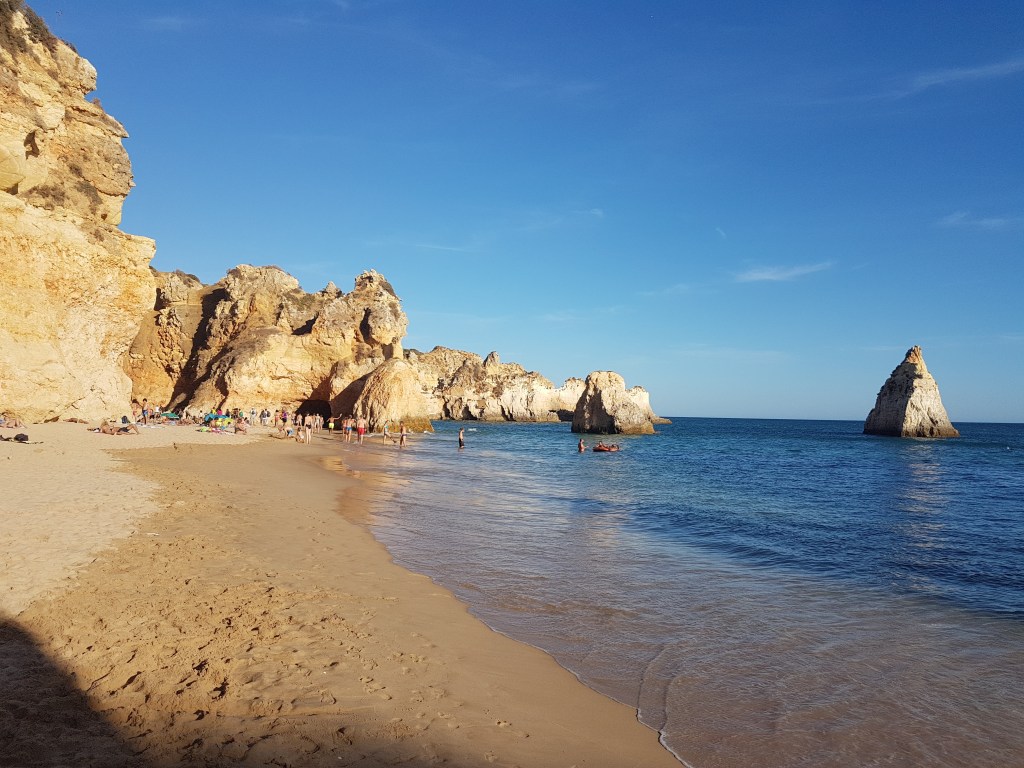
The Algarve region in Portugal boasts some of Europe’s most attractive and high-quality beaches. It is the 3rd wealthiest region in the country, offering visitors stunning coves and limestone caves along its coastline. The region’s breathtaking views of the sea and mountains make it the perfect destination for nature and beach lovers. Moreover, the beautiful weather in this area makes it an ideal place to retire or live year-round.

Prospective residents can choose from a wide array of idyllic cities, towns, and villages, each with its unique identity, such as Albufeira, Faro, Tavira, Lagoa, Silves, and Portimao. The excellent climate in the Algarve throughout the year not only makes it an ideal vacation spot but also a wonderful location to call home.

Lisbon, the city of light

Lisbon, the largest city in Portugal, is an excellent city for expats to live in. It’s a vibrant and bustling city with a lot to offer. From restaurants and museums to concerts, movies, and theaters, there’s always something to do and see in Lisbon. Being the capital city, it has all the essential amenities, including well-paying jobs, hospitals, banks, administrative buildings, schools, and tourist attractions.

Compared to other cities in Portugal, Lisbon is slightly more expensive, but there are attractive property deals available, especially outside the city center. Some of the best neighborhoods to live in Lisbon include Alameda, Areeiro, Entrecampos, Almada, and Oeiras.

Lisbon is also known for its beautiful gardens and numerous viewpoints overlooking the Tagus River, which contribute to its nickname as the “city of seven hills.” Furthermore, Lisbon’s proximity to stunning beaches allows residents to enjoy both vibrant city life and relaxed beach life. Setúbal, an hour south of Lisbon, is an excellent place to live, with the stunning Arrábida Natural Park and a world-famous fish market. Day trips can also be made to nearby destinations such as Sintra and the Silver Coast, as well as Évora, just a two-hour drive to the east.

Setúbal, the Hub of Portuguese Sardine Industry and Acclaimed Moscatel Wine

Setúbal is a city just outside Lisbon, reachable by a 40-minute drive, and is popular among expats who desire a peaceful life with access to the big city, while also enjoying a lower cost of living. Setúbal provides a tranquil lifestyle surrounded by scenic nature reserves and stunning beaches, with a charming town center that serves as the heart of Portugal’s sardine industry, featuring docked fishing boats, seafood restaurants, and bustling food markets.

However, if you prefer a more urban lifestyle, Setúbal may not be the right fit for you. Commuting to Lisbon is possible but can be challenging during rush hour or early morning. Although properties near the port area are affordable, they are in high demand among locals. Expats with higher budgets, especially retirees looking for leisure options, usually prefer pricier apartments located close to the beaches.

Viseu, an historic and beautiful city

Viseu is a small city located in Central Portugal. It has been ranked as the best city to live in Portugal multiple times, as well as one of the best cities to live in Europe. This is due to Viseu’s excellent quality of life. From great weather and excellent education to efficient public transportation and an outstanding healthcare system, Viseu has all it takes to be happy.

In Viseu, housing is not expensive, and the job market is thriving. The city’s Renaissance architecture is also very charming, and as it is surrounded by nature, living in Viseu is perfect for hikers and excursion lovers. Considerably less well-known than Lisbon and Porto, the city is a perfect place to live for expats looking for an affordable, tranquil, and top-quality lifestyle.

Coimbra, the eternal student city

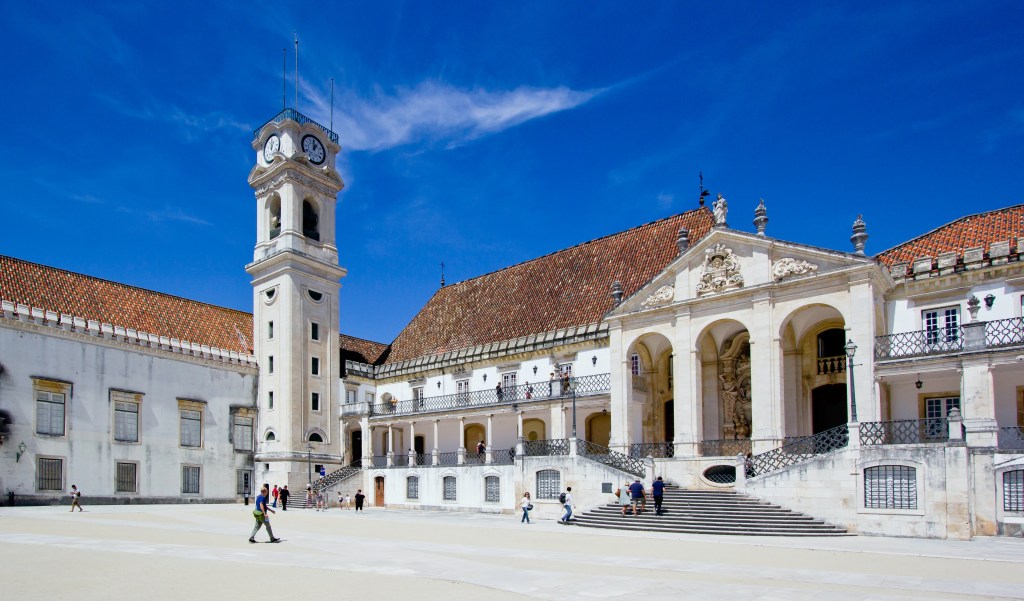
Coimbra, once the medieval capital of Portugal for over a century, is situated between Lisbon and Porto. It’s a highly desirable location for expat students, digital nomads, and retirees due to its exceptional quality of living at a reasonable cost.

The University of Coimbra, Portugal’s oldest and most prestigious higher education institution, is located in the heart of the city. As a result, areas surrounding the city center and university are in high demand, but there are still numerous options available to suit various preferences.

With its vibrant culture, remarkable architecture, and the university at its heart, Coimbra has a lively and safe atmosphere. To top it off, the city also boasts excellent train links to the rest of Portugal, including Lisbon and Porto.

However, expats who prefer coastal living will have to skip Coimbra. Furthermore, the city’s unpredictable weather may be frustrating for those who prefer more predictable weather patterns.

Aveiro, the Venice of Portugal

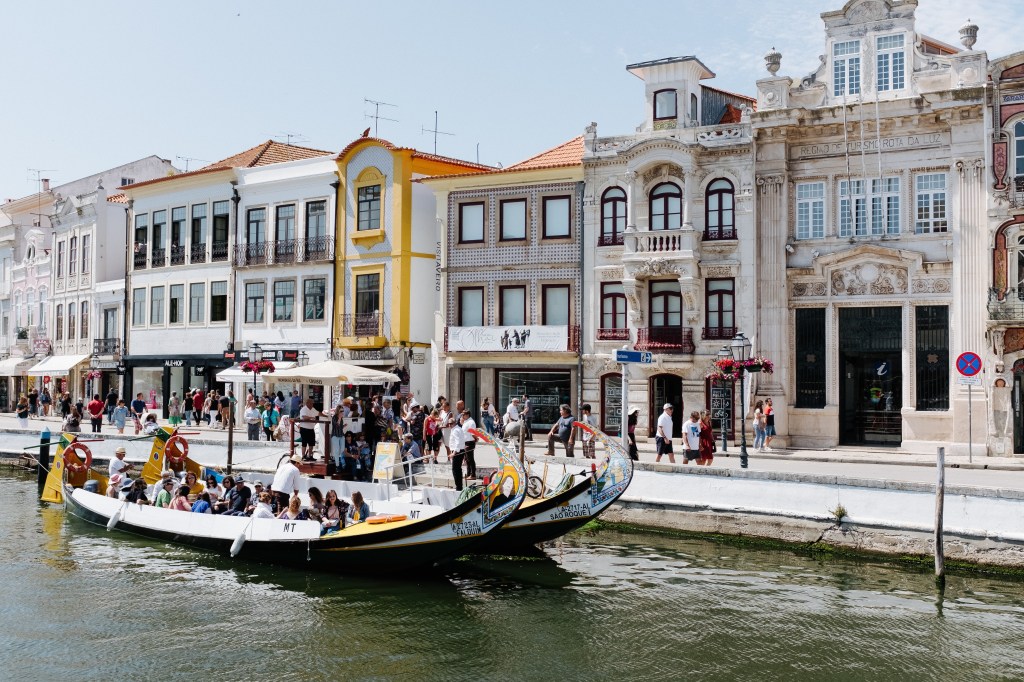
Aveiro, located in the heart of Portugal, is a city that exudes a rich cultural history and a relaxed lifestyle that is highly appealing to expat retirees and remote workers due to its relatively smaller size. Often referred to as the Venice of Portugal, Aveiro’s scenic canals, striking Nouveau architecture, and lively gondolas (moliceiro) make it a quintessentially Portuguese destination that offers a genuine living experience beyond Porto.

What makes Aveiro even more attractive to expats is that it remains off the beaten track for most tourists. However, one point to note is that English is not as widely spoken here as it is in other major cities in Portugal.

Aveiro has undergone significant modernization in recent years, with more pedestrianized areas, a family-friendly atmosphere, and a range of shopping malls, cafes, and markets to keep residents occupied. Additionally, the city benefits from decent road links to both Lisbon and Porto, allowing residents to enjoy the big city life whenever they desire by simply taking a road trip to one of these two destinations.

Porto, an historic and vibrant city

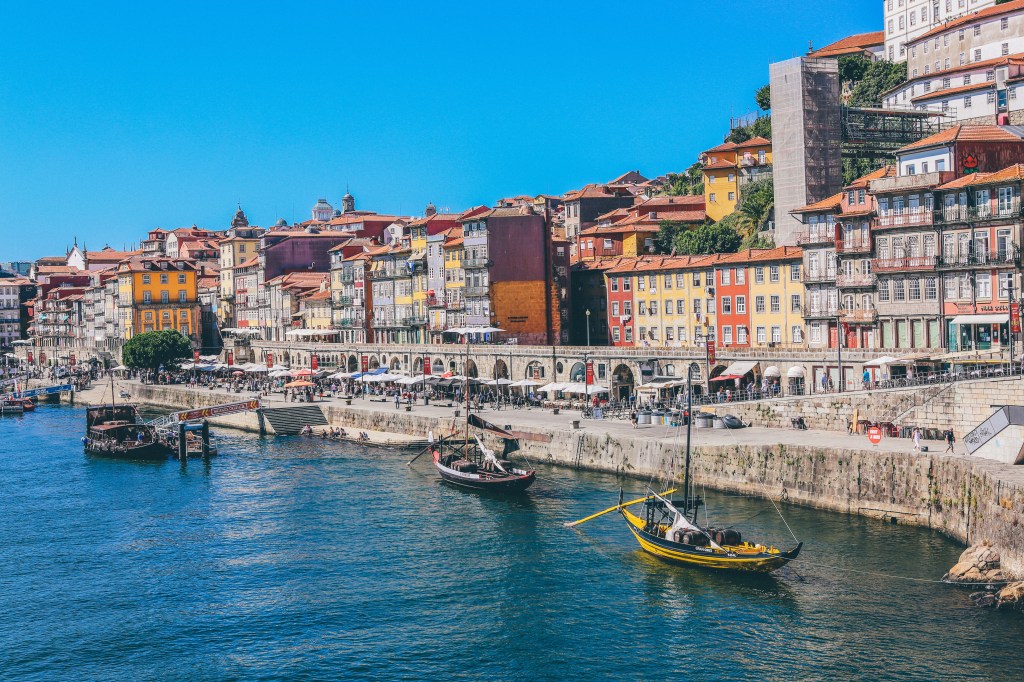
Porto, the second-largest city in Portugal, is a picturesque and authentic destination situated along the Douro river in the north of the country. It’s a top choice for expats, offering many tourist attractions such as traditional Portuguese architecture with stunning tiles, charming cobbled streets, and world-famous Porto wine and gastronomy.

Porto has also become an upcoming hub for the startup scene, attracting many international entrepreneurs. For those looking for a quick escape, about an hour south of Porto is Costa Nova, known for its colorful striped houses and stunning beaches, making it a perfect day trip destination.

Besides being a bit cheaper than Lisbon, Porto has some great neighbourhoods to live in, such as Foz do Douro, Riberia, Boavista, Campanha, and Avenida do Aliados. The historic center of Porto is also a charming place to live. The only negative aspect about Porto is that its weather can be colder than the rest of Portugal. Apart from that, living in Porto is absolutely worth it and is definitely one of the best cities for expats to live in Portugal.

Braga, a beautiful city renowned for its collection of historic buildings, monuments, gardens, and fountains.

Braga, Portugal’s third-largest and oldest city after Porto, is an attractive option for expats seeking a smaller, more affordable city with a blend of rich history and modern amenities. However, as the city gains popularity, the cost of living is steadily increasing.

Braga’s charming narrow streets are lined with alluring eateries, cafes, nightlife spots, high-end boutiques, and famous ancient churches like Portugal’s iconic Bom Jesus do Monte on the hillside.

Despite its modest size, Braga’s location is unbeatable, offering easy access to beaches, mountains, and neighboring Spain. Additionally, the city boasts a diverse array of schools, making it an ideal choice for families.

Expats who are considering moving to Braga have a range of options when it comes to choosing a place to live. For those who are seeking a more relaxed lifestyle and affordable living costs, the northern districts of the city are a great option. In contrast, those who are looking for greater peace and tranquility may find it in the towns and villages located on the outskirts of the city.

Chaves, famed for its healing thermal waters

Chaves, a small rural town located just 10 km south of the Spanish border, has historically served as a gateway into Portugal, which is reflected in its name, meaning “keys.” With its wallet-friendly cost of living and peaceful surroundings, it has become a popular choice among expat retirees.

Chaves is renowned for its spa resorts and thermal springs, which are believed to have healing properties that have been attracting visitors since Roman times. The town’s proximity to mountainous areas makes it an attractive and tranquil location, although this also means that it experiences relatively low temperatures, resulting in shorter summers and cooler winters.

Compared to other parts of Portugal, particularly large cities like Lisbon, the cost of living in Chaves is much more affordable. However, it may not be the ideal destination for expats who prefer the hustle and bustle of city life, despite being located near several airports that make getaways convenient.

Funchal on Madeira Island, known for its appealing temperatures, wine and crafts.

Funchal, the largest city on the island of Madeira, remains a somewhat undiscovered destination for many expats. However, it is becoming increasingly popular with remote workers who desire to take advantage of the island’s stunning natural surroundings and warm climate.

Were you aware that the small village of Ponta do Sol in Madeira has been designated specifically for digital nomads and remote workers? It is being hailed as Portugal’s most impressive offering for the remote working community so far.

Madeira enjoys year-round sunshine, being situated 600 km off the Moroccan coast, on the same latitude as Marrakesh. It also boasts magnificent natural landscapes, particularly from its cliff tops and high-level hiking trails.

Although the island is relatively undiscovered, it is not particularly touristy, giving it a safe, secluded, and family-friendly ambiance. However, expats who do not speak Portuguese may find it challenging to communicate, as English is not widely spoken.

Why Portugal?

Portugal boasts all the necessary features to attract expats from all around the globe, making it an appealing destination. With bustling metropolitan cities, charming smaller towns, and tranquil island locations, Portugal offers affordable, high-quality living standards, a secure and safe environment, and a wealth of cultural opportunities.

What should I know before moving to Portugal with children?

If you are planning to relocate to Portugal with your children, there are certain basic requirements that you need to fulfill. These include:

  • Having sufficient funds to support your family for 7 to 9 months
  • Having a job contract with a Portuguese employer or qualifying for a working visa
  • Having a place to stay in Portugal, which can be owned, rented, or provided by a corporate entity

Meeting these requirements will make it easier for you to settle down and assimilate in Portugal. However, there are also additional factors that can simplify the process of acquiring a legal residence permit. These include:

  • Being married to a Portuguese citizen for at least three years
  • Having relatives who are Portuguese citizens
  • Investing in the Portuguese economy
  • Starting a business in Portugal

If you are relocating to Portugal with your children, you will need to take additional preparatory steps and submit certain documents for each child. These documents include:

  • Birth certificate
  • Adoption certificate (if applicable)
  • Domestic passport of the child
  • Foreign passport of the child
  • Two passport-size photographs for each child

International schools in Portugal

There are 51 International Schools in Portugal in 7 different cities. Here are a few examples of the kind of international schools you will find if you move with children to Portugal:

Nobel International School Algarve

The Nobel International School is located in Lagoa, in the West Algarve. Established in 1972, the school provides education to students from ages 3 to 18, and also offers summer school programs. With a traditional British public school atmosphere, the school even accommodates boarding students.

The school fees are on the high side, starting from €4,000 for pre-schoolers and reaching over €15,000 for A-Level students, which are day school fees only, not including boarding. Additional fees for school meals, transportation, and special needs classes may also apply. Despite the high cost, the Nobel International School has a solid track record of producing high-achieving students who go on to top universities. It’s an excellent choice for those who can afford it.

Aljezur International School

Aljezur International School is a more budget-friendly option for those seeking an international school in the west Algarve. The fees stand at €6,000 per year and the school offers transportation services from nearby towns like Lagos. It provides education based on the UK curriculum and students take international GCSEs and A-Levels. With small class sizes and a strong academic record, Aljezur International School may be a suitable option for those seeking a cost-effective, yet quality, education.

St. Julian’s, Lisbon

St. Julian’s School, located in the Lisbon area near Cascais and Estoril, is a popular choice among international families from America and other countries, as well as Britons. It offers a top-notch international education with fees starting at around €10,000 per year and reaching over €20,000 for students pursuing the International Baccalaureate. The school boasts a student body of over 1,000 and features state-of-the-art amenities such as sports fields and an art gallery housed in a historic building.

CLIP International School of Oporto

CLIP International School of Oporto offers an international curriculum based on the National Curriculum for England, with certain modifications to suit both the school’s philosophical and pedagogical objectives, and the local context of CLIP, as an international school in Porto, Portugal. Curriculum standards that CLIP offers are considered as of international excellence and provide equivalency in many countries, including Portugal. The school provides education to students from ages 3 to 18 with fees starting at around €7,900 per year and reaching over €11,900.

Click here to see a list of international schools in Portugal.


How is the education system in Portugal?

For expat parents, understanding a country’s education system can be difficult. In Portugal, education paths vary depending on the child’s age. Options include private or international schools and free state schools.

The education system in Portugal, from pre-school to secondary school, is regulated by the Ministry of Education (Direção-Geral da Educação – DGE).

Although there is a range of state and private schools available in Portugal, the majority of Portuguese families opt for state schools due to their accessibility and cost-effectiveness. Many parents enroll their children in state schools before the mandatory education age of six. Private institutions, on the other hand, offer additional advantages. For instance, international schools are tailored to expats and provide diverse curricula from around the globe, allowing for lessons to be taught in the student’s native language.

While Portugal has struggled with high illiteracy rates historically, its current level of education is rather impressive. In the 2018 PISA tests, which assess reading, math, and science skills, students scored above average. Additionally, 92% of Portuguese children attended pre-school in 2019, exceeding the OECD average of 88%.

Portugal’s education system comprises of four stages, outlined below:

  • Pre-school education (Educação Pré-escolar): ages 3 to 6
  • Primary education (Ensino Básico): ages 6 to 15
  • Secondary education (Ensino Secundário): ages 15 to 18
  • Higher education (Ensino Superior): ages 18 and above

Education is compulsory for individuals aged 6 to 18 years in Portugal, after which students may pursue higher education or seek employment opportunities.

Pre-school education explained:

Portugal’s childcare services for children under the age of three are overseen by the Ministry of Labor, Solidarity, and Social Security (Ministério do Trabalho, Solidariedade e Segurança Social). Nevertheless, early childcare facilities are predominantly privatized. Parents have the option to select between creches (kindergartens) or amas (childminders) who offer in-home care.

In Portugal, children aged three to six can attend preschool, which is optional, but frequently selected by working parents. Both public and private preschools are accessible, and some charitable organizations and social institutions also provide childcare services. From age three, preschool education (Educação Pré-escolar) is free for 25 hours per week. Private preschools such as Montessori, Waldorf, and international schools charge tuition fees.

Primary education explained:

The Ministry of Education governs the policies for primary education in state schools, which is mandatory in Portugal from ages 6 to 15.

These schools, also called “escolas básicas”, consist of three cycles:

  • First cycle (primeiro ciclo or 1º ciclo): Grades 1 to 4
  • Second cycle (segundo ciclo or 2º ciclo): Grades 5 to 6
  • Third cycle (terceiro ciclo or 3º ciclo): Grades 7 to 9

Public primary schools

Most Portuguese families opt for public education because it is free. While the quality is good, non-Portuguese speaking children may have difficulty. Public schools follow a similar national curriculum including Portuguese, mathematics, science, history, geography and English which is mandatory. Students can also study a foreign language such as French or Spanish from Grade 7. When applying, parents must show proof of address, choose a school close to their residence, and register early to avoid waiting lists.

Private primary schools

In Portugal, private primary schools are attended by a small percentage of students (12.5% in 2020). International schools, which fall under this category, are a good option for expat children since they allow students to study in their native language and interact with other students from around the world. However, religious and method schools, such as Montessori and Steiner-Waldorf, are independent and generally only teach in Portuguese, with fees starting at around €4,000 per year.

For more information about international schools please click here.

Secondary education explained:

After completing primary education, students in Portugal are required to apply to a secondary school, which is known as escolas secundárias and is mandatory for 15 to 18-year-olds. The Ministry of Education (Direção-Geral da Educação – DGE) is responsible for overseeing secondary education in the country.

Secondary education in Portugal lasts for three years and comprises Grades 10, 11, and 12. Students can select from a range of streams that cater to their interests or career aspirations when enrolling in secondary school. Some courses focus on preparing students for university, while others are more work-placement-oriented. Additionally, many schools administer aptitude tests and offer guidance at the end of primary school to assist students in selecting the most appropriate track.

Public secondary schools

Portugal’s public secondary education (Ensino Secundário) is of good quality and free. The core subjects include Portuguese, philosophy, physical education (PE), and a foreign language, while the remaining curriculum varies based on the student’s selected stream.

Students in Portugal can select either vocational (Cursos Profissionais) or science-humanities (Cursos Científico-Humanísticos) streams in secondary school. The former prepares them for direct entry into fields like IT, design, or hospitality, while the latter offers more academic subjects such as visual arts, sciences, and humanities. Additionally, students interested in creative fields can opt for a specialized artistic course (Cursos Artísticos Especializados).

Private secondary schools

There are several types of private schools in Portugal, including religious, international, and boarding options.

Religious schools

Catholic institutions make up the majority of private secondary schools in Portugal. They offer religious subjects alongside the core curriculum, and are favoured by some parents for their academic performance and extracurricular activities. Some of these schools teach in English and offer the International Baccalaureate (IB) diploma. Annual fees can range from €2,500 to €10,000.

For more information about the International Baccalaureate (IB) in Portugal please click here.

International schools

International schools are a popular choice among expats living in Portugal who seek a multicultural environment for their children’s education. British, American, French, and German schools are available, allowing parents to choose the school with a curriculum and language of instruction that suits them.

For more information about international schools please click here.

Boarding schools

Boarding schools in Portugal are limited and mainly located in Lisbon and the Algarve. It’s recommended to visit the school before applying to explore the facilities and understand the program. Tuition fees can be as high as €30,000 per year.

Educational support for expat children

Attending a local school in Portugal may be overwhelming for international children who don’t speak Portuguese yet. However, language support classes are often offered in state schools, and non-native speakers can take the final Portuguese exams with adaptations.

Explore options to learn Portuguese and find resources for international students in Portugal by contacting the High Commission for Migration (Alto Comissariado para as Migrações – ACM), which provides assistance to migrant families seeking to integrate into Portuguese society. Not all schools have the resources to support non-native speakers, so it is important to check available resources or consider schools with bilingual programs.

How to enroll your child in a private or international school in Portugal?

Enrolling a child in a private international school in Portugal typically involves the following steps (requirements may vary by school):

  1. Submit an online application
  2. Visit the school in person
  3. Pay an entrance fee (varies by school)
  4. Provide the following documents:
    • Child’s ID (passport or birth certificate)
    • Completed application form from the school
    • Previous 2 years of school records (if applicable)
    • International language certificate (if required)
    • Medical forms and vaccination records
    • Child’s passport-size photo

Public, private or international schools: which one should you choose?

When considering a school for your children in Portugal, there are a variety of factors to take into account, including social aspects and financial opportunities. It’s important to note that both state and private schools in Portugal teach in Portuguese, so your children will need to have a sufficient grasp of the language to attend.

For young children, we recommend enrolling them in a Portuguese kindergarten, which will give them the opportunity to become proficient in the language before starting school. This will broaden your range of options for their schooling.

If your children do not speak Portuguese, the only option is to enroll them in an international school that teaches in their native language. However, these schools tend to be quite expensive in Portugal, and if you plan to stay in the country for an extended period, your children will need to learn Portuguese to attend a Portuguese university.

Private schools, while more expensive than state schools, offer advantages such as smaller class sizes, individualized attention, more extracurricular activities, and better facilities. It’s worth noting that many private schools in Portugal are Catholic and include religious education.

International schools in Portugal are the most expensive option but offer high-quality education and provide numerous opportunities for their graduates. They typically teach in English, but some may offer instruction in German or French, depending on their founding country. While the tuition fees are high, graduates of these schools are often accepted into some of the world’s top universities, including the Ivy League schools.

When relocating to Portugal with children, it’s important to carefully consider their education options, as the quality of education can greatly impact their future.

Moving with children to Portugal

Moving with your kids to Portugal might just be the ultimate family adventure. It’s a big step that requires a lot of planning, but trust me – it’s worth it. Portugal is a chill, sunny, hardworking country that loves kids and you’re in for a treat. This article is gonna give you the real deal about moving to Portugal with your kids and help you make the best choice for your family.

Moving to Portugal with your kids?

Portugal’s a great place to raise a family. The people there love kids and give them a warm welcome. You’ll see kids of all ages out and about even late at night, hitting up restaurants and local festivals.

Why Portugal is a great place for kids?

Sure, moving to Portugal won’t magically make your kids immune to spending hours on the tablet and on social media, but their lifestyle there is way more outdoor-sy. It’s like the good old days when parents were kids and that’s what they want for their own children.

The weather definitely helps – kids have access to beaches and outdoor spaces for a big chunk of the year. Plus, there’s plenty of stuff for them to do – from playgrounds for little ones to skate parks and lit-up football pitches for the older kids.

According to Unicef, Portugal is just above the UK when it comes to overall child well-being!

Education in Portugal

One big concern about moving to Portugal with kids is their education. But don’t worry, there’s plenty of options, including international schools which come with a price tag. These are way too expensive!

It’s important to remember that Portuguese is the main language in Portugal, not English. English is still taught in schools, but your kids will still need to learn Portuguese. This’ll have a big impact on the decisions you make for their future, so keep it in mind.

Is it hard for children to learn Portuguese?

For young kids, picking up a new language is a breeze. If you enroll them in a Portuguese preschool or primary school, they’ll probably start speaking like a pro in no time. By the time they’re 5 or 6, they’ll probably start correcting you.

For older kids, it can be a bit harder. Not being able to understand what’s going on around them can be tough, especially during their teenage years. The best solution is to help them learn Portuguese as much as you can. That way, they’ll at least be able to read their school schedule when they start.

If you’re in an area with an international school, you could also opt to send them there. Most international schools have English as their main language, so your children will feel at home.

It’s all about finding a balance. Young kids should have no problem in the Portuguese state education system and will fit in with local life. For older kids, you may have to sacrifice some of that integration by sending them to a school where they’ll be mostly with other expat kids. But they can still get involved in local life through after-school clubs.

The Portuguese school system explained

The Portuguese school system is a great option for families who move to Portugal with kids. State schools welcome kids up to 18 years old and they’re required to stay in school till then.

The education journey starts at six years old with three cycles, 1º, 2º, and 3º Ciclo, lasting nine years. Then at 15, secondary education kicks off and kids have the choice to go for academic paths like social science, visual arts, or science and tech, or vocational paths like sports, marketing, or civil construction.

If you’re thinking of moving to Portugal with your kids, get ready to do some serious planning. But trust me, the sunshine and kid-friendly lifestyle in Portugal will make it all worth it!